Choosing the perfect campground from the myriad of options available can be a challenging yet rewarding endeavor. As you contemplate your choices, you’ll want to consider various factors that could greatly influence your camping experience. This guide will walk you through the process of selecting the best campground, ensuring that your outdoor adventure is memorable and fulfilling.
Understanding Your Camping Needs
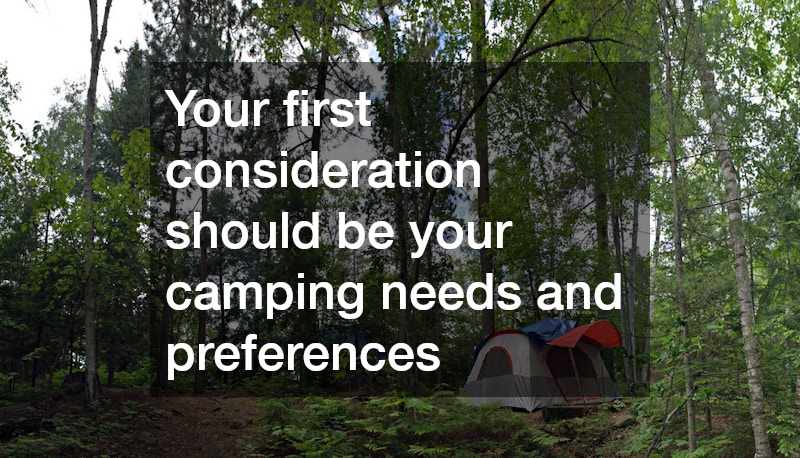
Your first consideration should be your camping needs and preferences. Are you looking for a rustic experience with minimal amenities, or do you prefer more modern conveniences? Knowing what kind of experience you want will help narrow down potential campgrounds that meet your requirements. Consider the type of camping you enjoy, be it tent camping, RV camping, or using a cabin.
Each option offers a different level of comfort and closeness to nature, so choose the one that aligns with your expectations.
Another important factor is the season and weather conditions during your planned outing. Some campgrounds may be better suited for specific weather conditions or may only operate during certain seasons. Ensure the campground you select accommodates the weather and season during which you plan to visit. This preparation will make your camping trip more enjoyable and less prone to unforeseen complications.
Researching the Campgrounds
Once you have a clear understanding of your camping needs, it’s time to start researching the campgrounds in your area. Start by seeking recommendations from friends, family, or online forums where fellow enthusiasts share their experiences. Personal anecdotes and reviews can provide valuable insights into what you can expect at various campsites. These firsthand accounts often reveal hidden gems or alert you to potential challenges you might face.
Finally, don’t underestimate the power of visiting the campgrounds in person before making your decision. This gives you a better sense of the environment and facilities. Seeing the layout, checking distances to amenities or attractions, and assessing the cleanliness and maintenance of the facilities can aid your decision-making process. A quick visit could solidify your choice and help avoid any disappointment upon arrival for your camping trip.
Assessing Amenities and Facilities
One of the significant aspects to consider when choosing a campground is the amenities and facilities it offers. Some campgrounds provide only the basics, such as a flat area to pitch a tent and a fire pit, while others offer restrooms, showers, and even laundry facilities. Your level of comfort and the requirements of your group should guide your decision regarding which amenities are essential for your trip.
Security should also factor into your decision when choosing campgrounds. You’re likely to feel more at ease knowing the site has good security measures in place. This could include gates, security personnel, or clearly defined campsite rules enforced by campground staff. Ensuring your safety and that of your belongings can greatly improve your camping experience, allowing you to relax and enjoy your surroundings.
Understanding the Costs Involved
The cost of camping can vary significantly depending on the campground’s location, amenities, and available services. Establishing a budget early on can help you identify which campgrounds are within your financial reach. Consider costs such as entrance fees, accommodation rates, parking, and potential extra charges for using specific facilities or amenities. Additional costs might also include obtaining any necessary permits or buying supplies.
However, take into account that opting for a more affordable campground sometimes means sacrificing certain amenities or conveniences. If certain experiences or comforts, such as private showers or electricity, are critical to your enjoyment, it may be worthwhile to spend a little extra. Balancing cost with preferences and essential needs will help ensure that you make the most out of your camping trip without breaking the bank.
Seek out any discounts or promotions that might make a campground more feasible. Many state parks or private campgrounds offer discounts for longer stays or have reduced rates during off-peak seasons. These options could allow you to enjoy a more luxurious camping experience within your budget constraints. Being flexible with your camping dates can often lead to savings that can be put towards other aspects of your trip.
Considering the Environment and Impact
When choosing a campground, it’s vital to consider the impact of your stay on the environment. Campgrounds that promote sustainable practices not only support the ecosystem but also often provide a richer experience for campers. Look for sites that encourage Leave No Trace principles, minimize waste, and focus on protecting local wildlife and vegetation. These campsites usually have regulations and policies that help preserve natural resources.
Participation in activities and adhering to campground rules contribute to a reduced environmental footprint. Focus on having a minimal impact by considering transportation choices, reducing waste, and using eco-friendly products. Campgrounds that offer recycling programs, solar-powered facilities, or resource conservation initiatives will often enrich your connection to nature during your visit.
Choosing the right campground is a multifaceted decision that involves assessing your personal preferences, understanding your needs, and recognizing the kind of experience you wish for. With a bit of research, consideration of costs and amenities, and a sensitivity to environmental impact, you can find a local campground that meets your expectations and allows you to enjoy the great outdoors fully. Your selected campsite will serve as the backdrop for lasting memories and adventures.